Find balance with nature.
Explore safe, accessible natural remedies from around the world.
Educational Only:: This app helps you find information on alternative remedies. It is not medical advice. Always consult a doctor before treating a medical condition or mixing remedies with prescriptions.
Educational Articles
Natural Remedies for Common Ailments: Evidence-Based Solutions
Discover scientifically-supported natural remedies for everyday health issues like headaches, digestive problems, sleep disturbances, and minor infections.
Understanding Herbal Medicine Interactions: A Safety Guide
Learn about potential interactions between herbal remedies and prescription medications, and how to use natural remedies safely alongside conventional treatments.
Traditional Medicine Systems: Ancient Wisdom Meets Modern Science
Explore the major traditional medicine systems including Ayurveda, Traditional Chinese Medicine, and Islamic Medicine, and discover how modern research validates ancient practices.

Reishi Mushroom (Lingzhi)
Reishi Mushroom, known as Lingzhi in China, is a polypore fungus revered in traditional Asian medicine for over two millennia as the "Mushroom of Immortality." It is a potent adaptogen, helping the body manage stress and promoting overall balance. The mushroom is primarily found growing on the base and stumps of deciduous trees in subtropical and temperate regions across Asia, Europe, and North America, but its historical and cultural significance is rooted in ancient Chinese practices. Its use is centered on supporting the immune system, promoting restful sleep, and enhancing vitality, making it one of the most studied and consumed medicinal fungi globally.

Cordyceps (Cordyceps militaris)
Cordyceps militaris is a highly prized medicinal mushroom, distinct from the wild Ophiocordyceps sinensis, which is traditionally found in the high-altitude regions of the Tibetan Plateau. Unlike its rare counterpart, C. militaris is successfully cultivated on a substrate like brown rice, making it widely accessible and sustainable. This entomopathogenic fungus, characterized by its bright orange, club-shaped fruiting body, has been a staple in Traditional Chinese Medicine for centuries. It is primarily valued for its adaptogenic and energizing properties, often used to combat fatigue, enhance athletic performance, and support overall vitality. Modern research has focused on its rich content of bioactive compounds, particularly cordycepin, which contributes to its broad spectrum of health benefits, including immunomodulation and anti-aging effects.
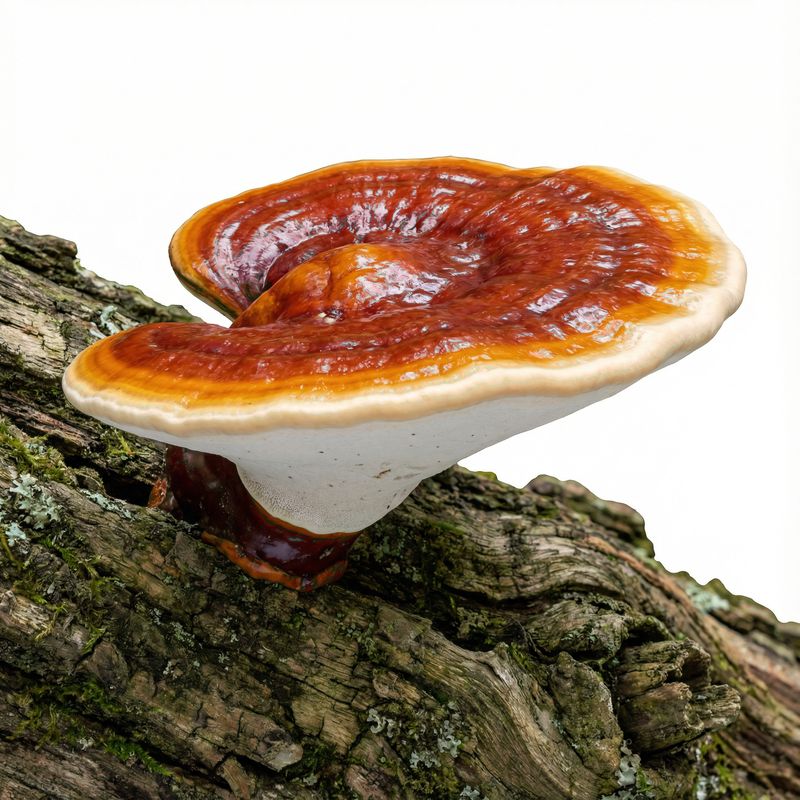
Reishi
Reishi, scientifically known as *Ganoderma lucidum*, is a highly revered medicinal mushroom in traditional Asian medicine, often called the "Mushroom of Immortality." It is primarily recognized for its potent **immunomodulatory** effects, attributed to its rich content of triterpenoids and polysaccharides. The mushroom is traditionally used to promote longevity, enhance the immune system, reduce stress, and support overall vitality and well-being.
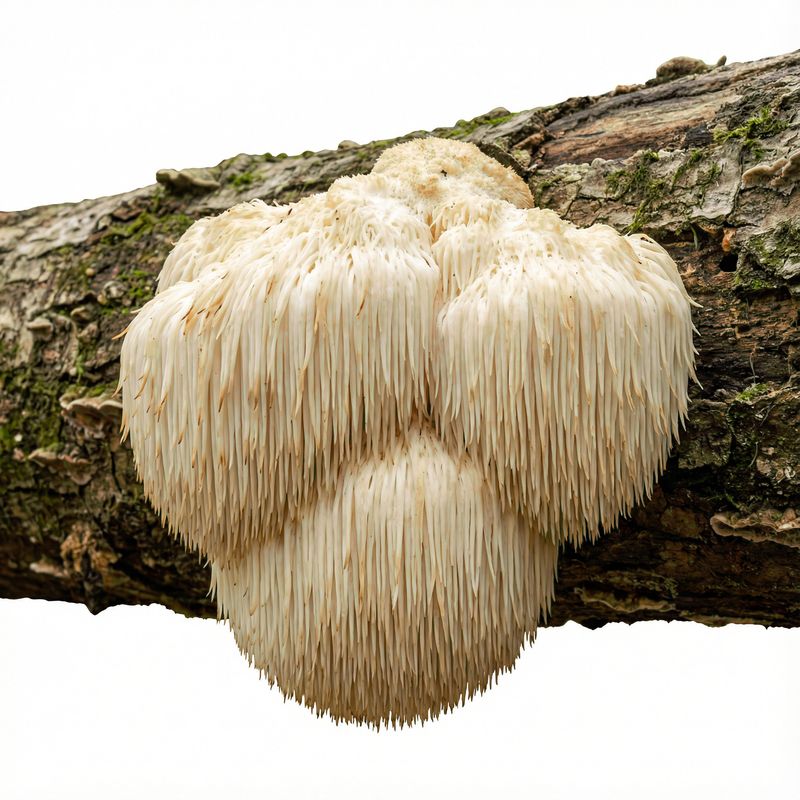
Lion's Mane
Lion's Mane, scientifically known as *Hericium erinaceus*, is a unique, shaggy-looking medicinal mushroom traditionally used in East Asian cultures. It is valued for its rich content of B vitamins and essential minerals, but its primary therapeutic focus is on neurological health. The mushroom is primarily utilized to support cognitive function, enhance mood, and bolster the immune system. Its unique compounds are believed to promote nerve growth factor (NGF) synthesis, making it a powerful natural nootropic.
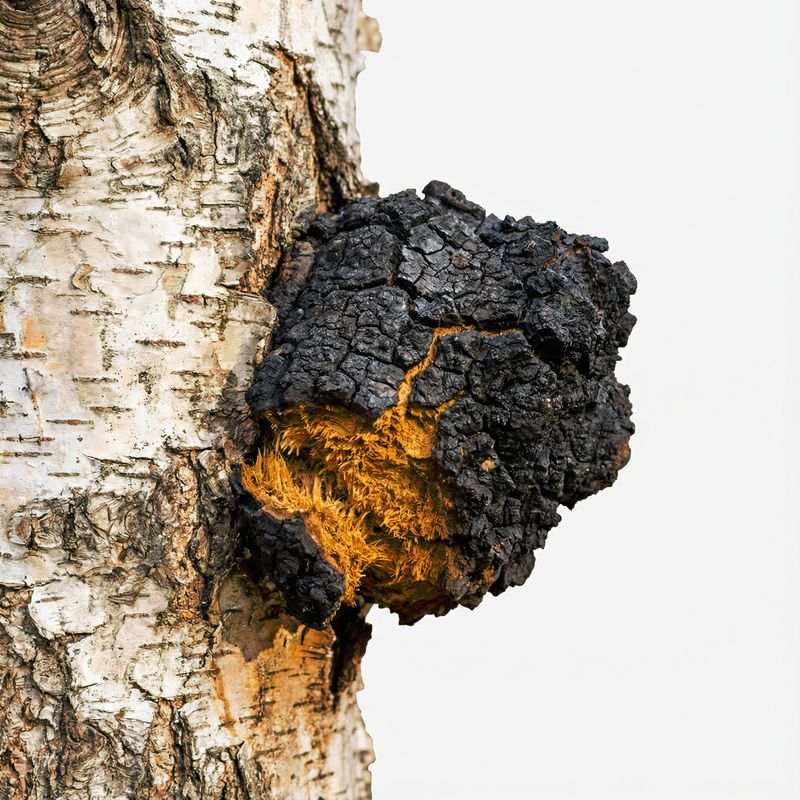
Chaga
Chaga, scientifically known as *Inonotus obliquus*, is a parasitic fungus that primarily grows on birch trees in cold climates across the Northern Hemisphere. It is not a mushroom in the traditional sense, but a sterile conk, appearing as a blackened, cracked mass with a rusty-brown interior. Historically used in Russian and Siberian folk medicine as a powerful adaptogen and immune tonic, its primary therapeutic uses center on its potent antioxidant and anti-inflammatory properties. Key active compounds include triterpenoids (like betulinic acid, absorbed from the birch host), melanin, and a high concentration of polysaccharides, particularly beta-glucans, which contribute to its immunomodulatory effects. (499 chars)
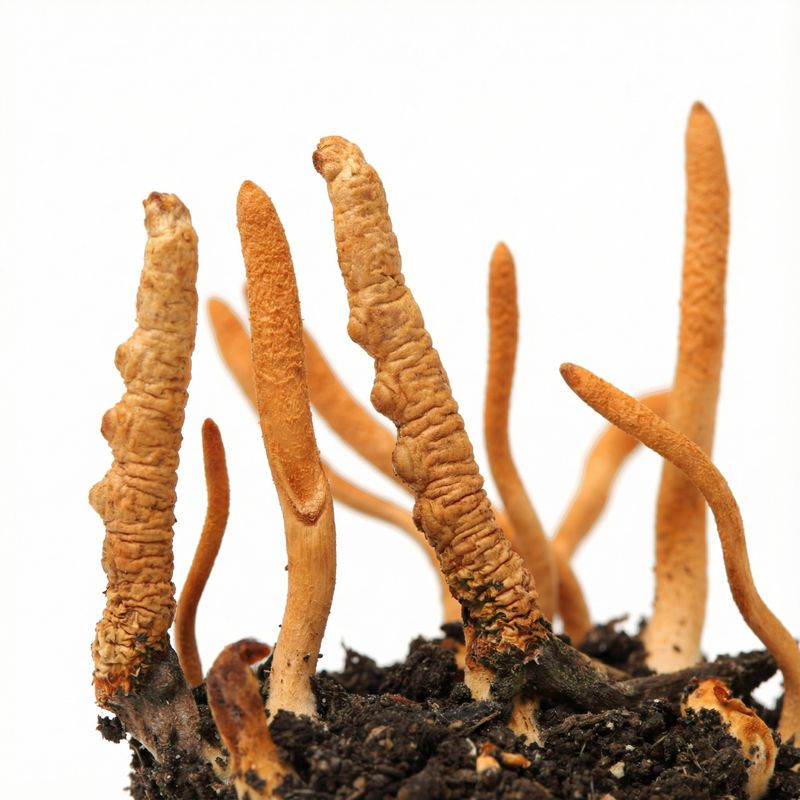
Cordyceps
Cordyceps is a genus of medicinal fungi, primarily *Cordyceps sinensis* and *Cordyceps militaris*, which has been a cornerstone of Traditional Chinese Medicine for centuries. It is highly valued as an adaptogen, helping the body to manage stress, boost energy, and promote overall vitality. Primary therapeutic applications include enhancing athletic performance, supporting respiratory health, and acting as an immunomodulator to support the body's natural defenses. The mushroom is prized for its potential to improve oxygen utilization and support overall organ function, particularly the kidneys and liver.
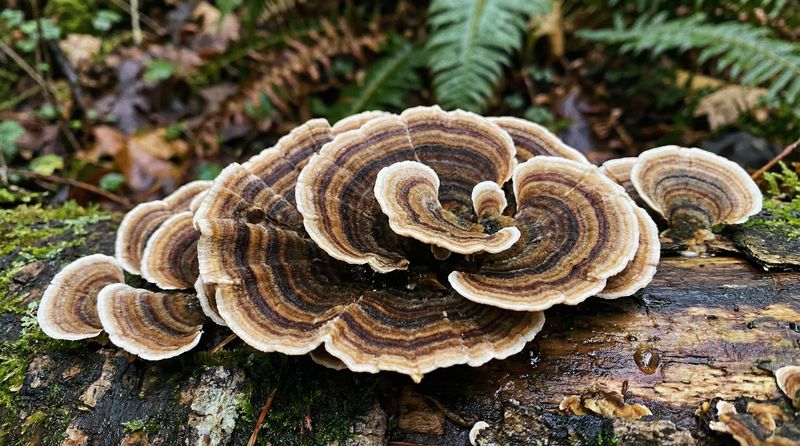
Turkey Tail
Turkey-tail is a common, globally distributed polypore fungus known scientifically as *Trametes versicolor* (formerly *Coriolus versicolor*). It is easily recognizable by its striking, concentric rings of color resembling a turkey's tail, and has been used in traditional Chinese medicine for centuries to promote health and vitality. Its primary therapeutic uses revolve around its potent immunomodulatory properties, largely attributed to complex polysaccharide compounds. These compounds, particularly Polysaccharide K (PSK) and Polysaccharide Peptide (PSP), are believed to support immune function, gut health, and possess antioxidant capabilities. The mushroom is typically consumed as a decoction or in standardized extract form.

Maitake
Maitake, or "Hen of the Woods," is an edible and medicinal mushroom known scientifically as *Grifola frondosa*. Native to the mountains of northeastern Japan, Europe, and North America, it grows at the base of oak, maple, and elm trees. It is highly prized in traditional Asian medicine for its adaptogenic and immune-modulating properties. The primary therapeutic value is attributed to its high concentration of complex polysaccharides, particularly beta-glucans (like the D-fraction), which are believed to support the immune system, aid in blood sugar management, and promote overall cellular health. It is also a source of vitamins (B and D), minerals, and amino acids.

Shiitake
Shiitake is an edible mushroom native to East Asia, revered for centuries in traditional medicine and cuisine. The scientific name is *Lentinula edodes*. It is a saprotrophic fungus that grows on decaying hardwood trees. Its primary therapeutic uses center on immune support, cardiovascular health, and potential anti-cancer properties. The key active compounds are polysaccharides, particularly beta-glucans like lentinan, which is a potent immunomodulator, and eritadenine, which supports healthy cholesterol levels. It is also a good source of B vitamins and vitamin D when exposed to UV light.

Oyster Mushroom
*Pleurotus ostreatus*, commonly known as the oyster mushroom, is a highly cultivated, edible fungus recognized for its culinary and medicinal properties. It is a source of high-quality protein, complex carbohydrates, and significant dietary fiber. Therapeutically, it has been traditionally used to support cardiometabolic health, including managing high cholesterol and blood sugar levels, and as an immune-modulator. Its key active compounds include beta-glucans, which are potent polysaccharides known for their immune-boosting effects, and the powerful antioxidant L-Ergothioneine. The mushroom's rich nutritional profile and bioactive components make it a valuable addition to a health-conscious diet and a focus of modern nutraceutical research.

Tremella
*Tremella fuciformis*, commonly known as Snow Fungus, Silver Ear, or White Jelly Mushroom, is an edible and medicinal fungus revered in traditional Chinese medicine for its profound hydrating and anti-aging properties. This gelatinous, white-to-pale-yellow mushroom is primarily used to support skin health, boost immunity, and promote respiratory function. Its key active compounds are a high concentration of **Tremella fuciformis polysaccharides (TFP)**, which are known for their exceptional water-holding capacity, often cited as being superior to hyaluronic acid, making it a potent natural moisturizer. It also contains essential minerals, proteins, and Vitamin D.

Agaricus
*Agaricus blazei Murrill* (ABM), commonly known as the Royal Sun Agaricus, Himematsutake, or Cogumelo do Sol, is an edible and medicinal mushroom native to Brazil. It is highly valued in traditional and modern alternative medicine for its potent immunomodulating properties. The primary therapeutic uses center on supporting the immune system, with research exploring its anti-inflammatory, hepatoprotective, and potential antitumor effects. Its powerful biological activity is attributed mainly to a high concentration of polysaccharides, particularly the $\beta$-glucans, which are structural components of the mushroom's cell walls. This mushroom is cultivated globally, primarily in Japan, China, and Brazil, for use as a dietary supplement.