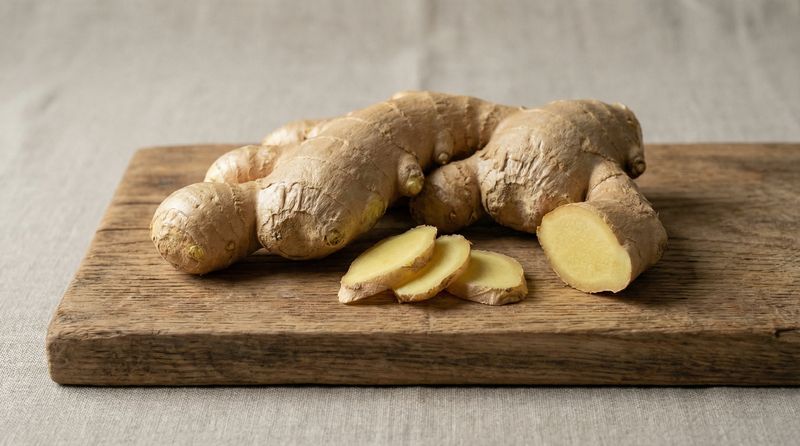
Ginger
Zingiber officinale
Overview
Ginger, derived from the rhizome of *Zingiber officinale*, is a potent spice and traditional medicine with a history spanning thousands of years. Its characteristic pungent flavor and aroma come from volatile oils and non-volatile compounds, primarily gingerols and shogaols. The remedy is most commonly utilized for its powerful anti-inflammatory and antiemetic properties, making it a primary choice for managing various forms of nausea and digestive distress. It also possesses analgesic effects, offering relief for conditions like osteoarthritis and menstrual pain.
Health Benefits
Active Compounds
- Gingerol
- Shogaol
- Zingerone
Preparation Methods
Usage & Dosage
For nausea, take 1,000 mg of dried powdered ginger daily, divided into 2-4 doses. For tea, consume 2-4 cups (480-960 ml) daily. Tincture dosage is typically 1-2 ml (20-40 drops) up to three times per day. Use for short durations (up to 4 days) for acute nausea, or longer for chronic conditions under professional guidance.
Safety & Precautions
Ginger is generally safe, but high doses (over 5g/day) may cause mild heartburn, diarrhea, or stomach upset. It can interact with blood-thinning medications (anticoagulants) like warfarin, increasing the risk of bleeding. Individuals with gallstones should use caution, as ginger increases bile flow. Pregnant women should consult a healthcare provider before using doses higher than 1,000 mg/day. Discontinue use two weeks before surgery.
Synergistic Combinations
These remedies work best when combined together for enhanced therapeutic effects.
How It Works
This classic combination leverages ginger's anti-inflammatory compounds, lemon's vitamin C, and honey's soothing properties to provide comprehensive cold and flu relief.
Preparation
Steep fresh ginger slices in hot water, add fresh lemon juice and honey to taste. Drink 2-3 times daily during illness.
Evidence: The synergistic effect of gingerols and vitamin C enhances immune function and reduces inflammation more effectively than single ingredients.
How It Works
Peppermint's menthol relaxes digestive muscles while ginger's gingerols reduce nausea, creating comprehensive digestive support.
Preparation
Brew fresh peppermint and ginger together as tea. Drink after meals or when experiencing digestive discomfort.
Evidence: Combined use shows enhanced effectiveness for IBS symptoms and motion sickness compared to single herbs.
How It Works
Curcumin and gingerols work through complementary anti-inflammatory pathways (COX-2 and LOX inhibition), while both compounds enhance each other's bioavailability through shared absorption mechanisms.
Preparation
Mix 1 teaspoon turmeric powder with 1 teaspoon fresh grated ginger in warm water, milk, or smoothies. Consume daily.
Evidence: Studies demonstrate enhanced anti-inflammatory effects and improved absorption when combined, with superior results in arthritis and inflammatory bowel conditions.
Alternative Remedies
Comparable alternatives when this remedy is unavailable
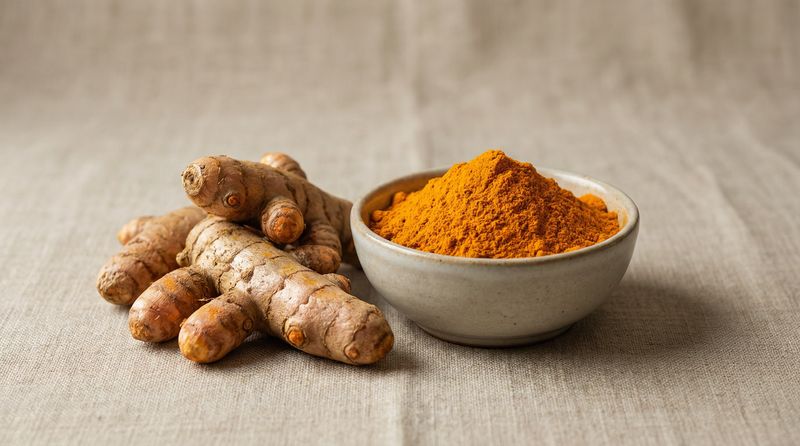
Turmeric
85% EffectiveShared anti-inflammatory compounds
How It Compares
Turmeric's curcumin provides anti-inflammatory effects similar to ginger's gingerols. Use 2/3 the amount of turmeric powder compared to fresh ginger.
Origin
China
Frequently Asked Questions
What are the main health benefits of ginger?▼
Ginger is highly effective for nausea relief (morning sickness, motion sickness, chemotherapy), reducing inflammation and pain (arthritis, muscle soreness), improving digestion, lowering blood sugar, and supporting cardiovascular health. Its active compounds gingerols and shogaols provide powerful antioxidant and anti-inflammatory effects.
How much ginger should I take daily?▼
For general health: 1-3 grams of fresh ginger or 250-500mg of ginger extract daily. For nausea: 1 gram divided into multiple doses. For pain/inflammation: up to 2 grams daily. Start with smaller amounts and increase gradually. Consult a healthcare provider if taking blood thinners or before surgery.
Can ginger help with morning sickness?▼
Yes, ginger is one of the most effective natural remedies for morning sickness. Studies show 1 gram of ginger daily (divided into 4 doses) significantly reduces nausea and vomiting in pregnancy. Ginger tea, capsules, or crystallized ginger are safe options. Always consult your doctor during pregnancy.
What is the best way to consume ginger?▼
Fresh ginger: grate into tea, smoothies, or cooking. Ginger tea: steep 1-2 inches of sliced fresh ginger in hot water for 10 minutes. Supplements: standardized ginger extract capsules for consistent dosing. Dried ginger powder: add to food or warm water. Fresh ginger is most potent.
⚠️ This information is for educational purposes only. Consult your healthcare provider before using any remedy, especially if you are pregnant, nursing, taking medications, or have a medical condition.