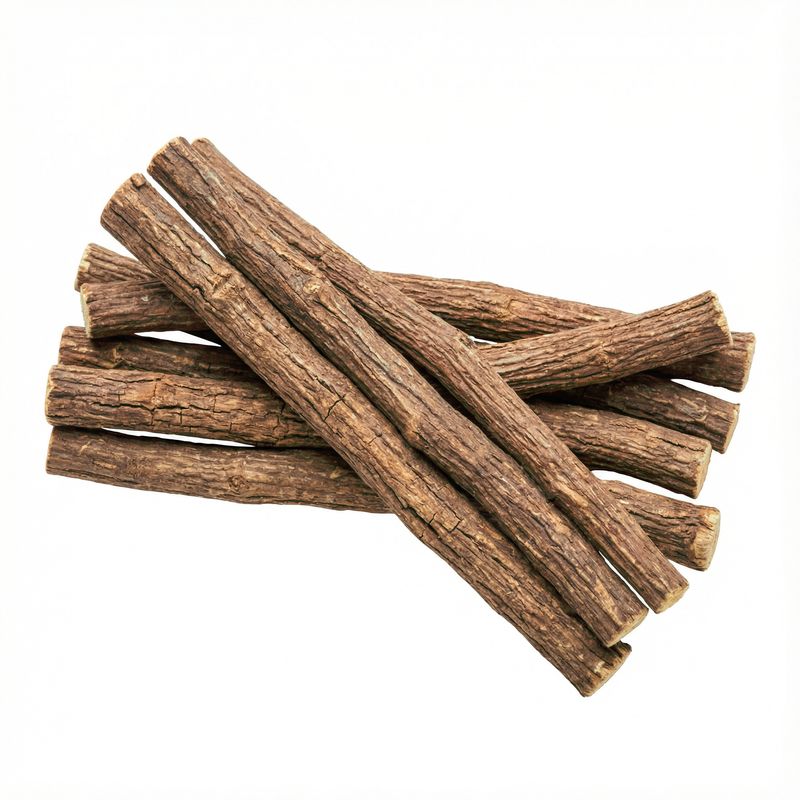
Licorice
Glycyrrhiza glabra
Overview
Licorice is a perennial herb derived from the root of *Glycyrrhiza glabra*, a plant native to Southern Europe and Asia. Historically, it has been used for centuries in both Western and Eastern medicine for its sweetening and therapeutic properties, particularly for soothing the gastrointestinal tract and respiratory system. The primary active compound is glycyrrhizin (or glycyrrhizic acid), which is 50 times sweeter than sugar and is responsible for its anti-inflammatory, antiviral, and mineralocorticoid-like effects. It is commonly employed to treat peptic ulcers, acid reflux, coughs, and adrenal fatigue. (498 chars)
Health Benefits
Active Compounds
- Glycyrrhizin
Preparation Methods
Usage & Dosage
For general use, a typical dosage is 1-5 grams of dried root per day, often divided into 2-3 doses. For concentrated extracts, follow the manufacturer's directions, ensuring the daily glycyrrhizin intake is below 100 mg. Deglycyrrhizinated licorice (DGL) is used for digestive issues at 380-760 mg, taken 20 minutes before meals, and is safe for longer-term use. Limit use of whole licorice to short-term (4-6 weeks) to mitigate side effects. (349 chars)
Safety & Precautions
Avoid long-term use (over 4-6 weeks) or high doses (over 100mg glycyrrhizin/day) due to the risk of pseudohyperaldosteronism, which can cause hypertension, hypokalemia (low potassium), edema, and heart problems. Contraindicated for individuals with high blood pressure, heart failure, kidney disease, or hypokalemia. Licorice interacts with diuretics, blood thinners (warfarin), and digoxin. Pregnant women should avoid it. (349 chars)
Origin
China
⚠️ This information is for educational purposes only. Consult your healthcare provider before using any remedy, especially if you are pregnant, nursing, taking medications, or have a medical condition.